

Android AppDevelopment
Android is the volume platform across the Gulf, and it is the harder one to get right — hundreds of screen sizes, a decade of OS versions still in use, and a Play Console that changes its rules regularly. Every app we ship is live on Google Play.
One app, every device your customers actually own
An Android build that only looks right on a flagship is a build that fails for most of its users. We test across real device classes and OS versions, not just the newest emulator, so layouts hold up on a small budget phone as well as a tablet.
Material Design gives us the foundation; your brand decides what sits on top of it. Arabic and right-to-left layouts are built and tested alongside English rather than retrofitted once the English version is signed off.
How we build an Android app
Play Console requirements — data safety, target API level, release tracks — are planned into the schedule rather than discovered the week you want to launch.

Interface design and prototype

Build, device matrix testing

Play Console release
The Play Console is where launches quietly stall.
Google's requirements move: target API deadlines, the Data Safety form, permission declarations that need written justification, closed-testing rules for new developer accounts. Each one can hold a finished app for weeks if it is met late.
We manage the submission end to end — signing keys, release tracks, store listing, the Data Safety declaration — and keep your app compliant as the rules change. The Play Console account and the app signing key stay yours.

What Android development covers
Everything between the first architecture decision and a listing that stays compliant after launch.
- Native Kotlin development
- Cross-platform builds where they fit
- Material Design implementation
- Arabic / RTL and localization
- Push notifications & deep links
- Google Play Billing
- Internal, closed & open test tracks
- Play Console release & compliance
A listing that stays live, and a release process you can run
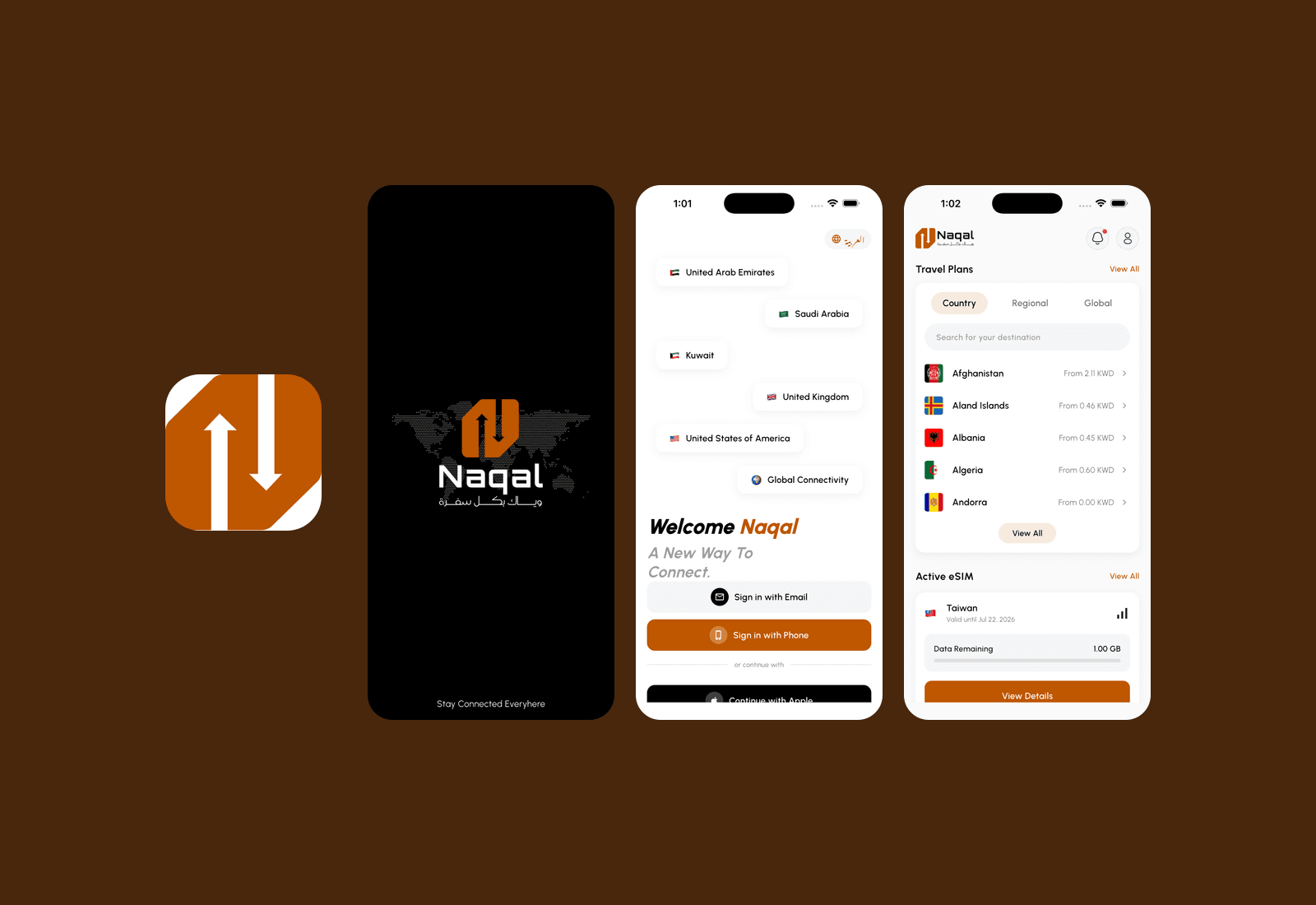
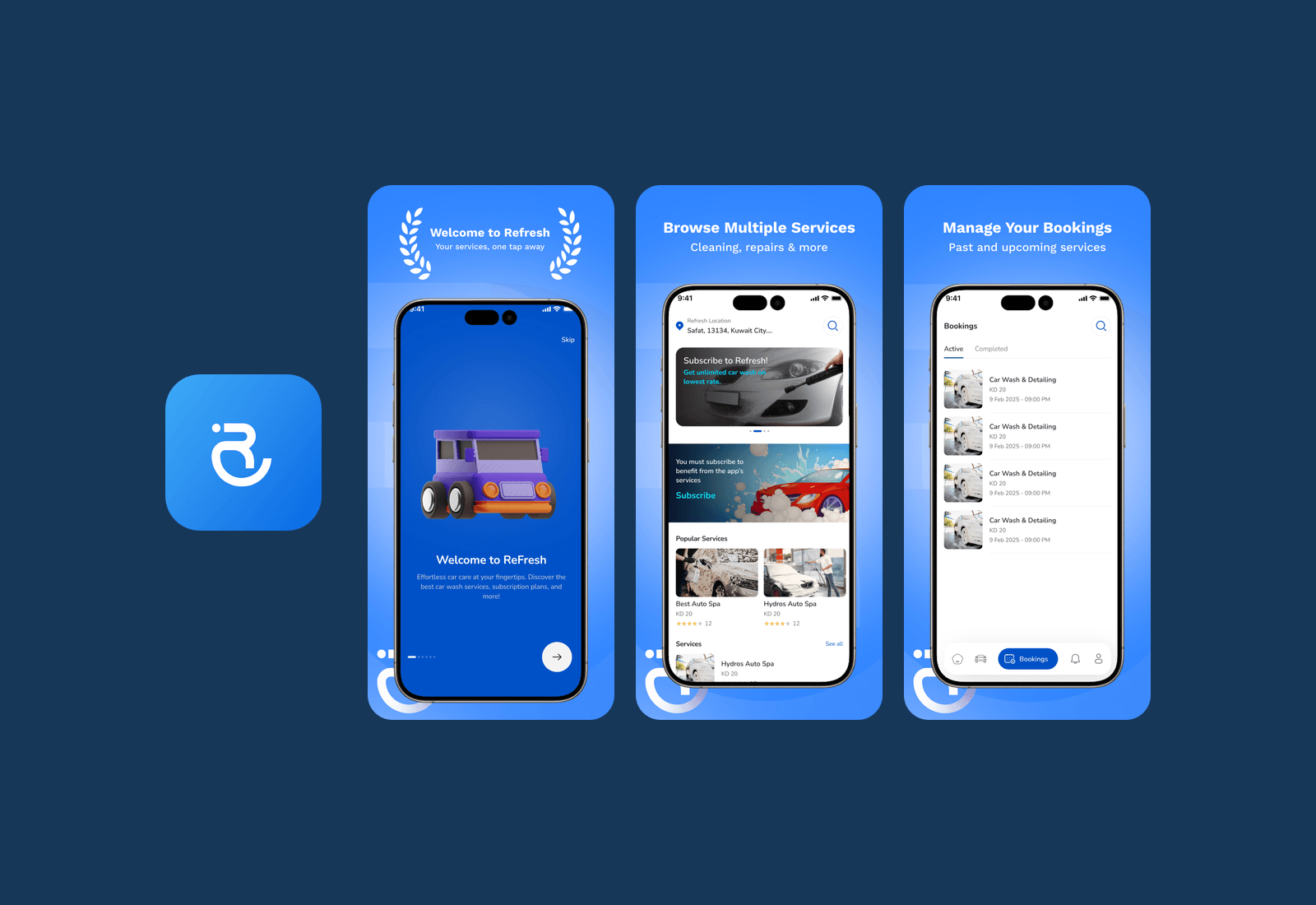
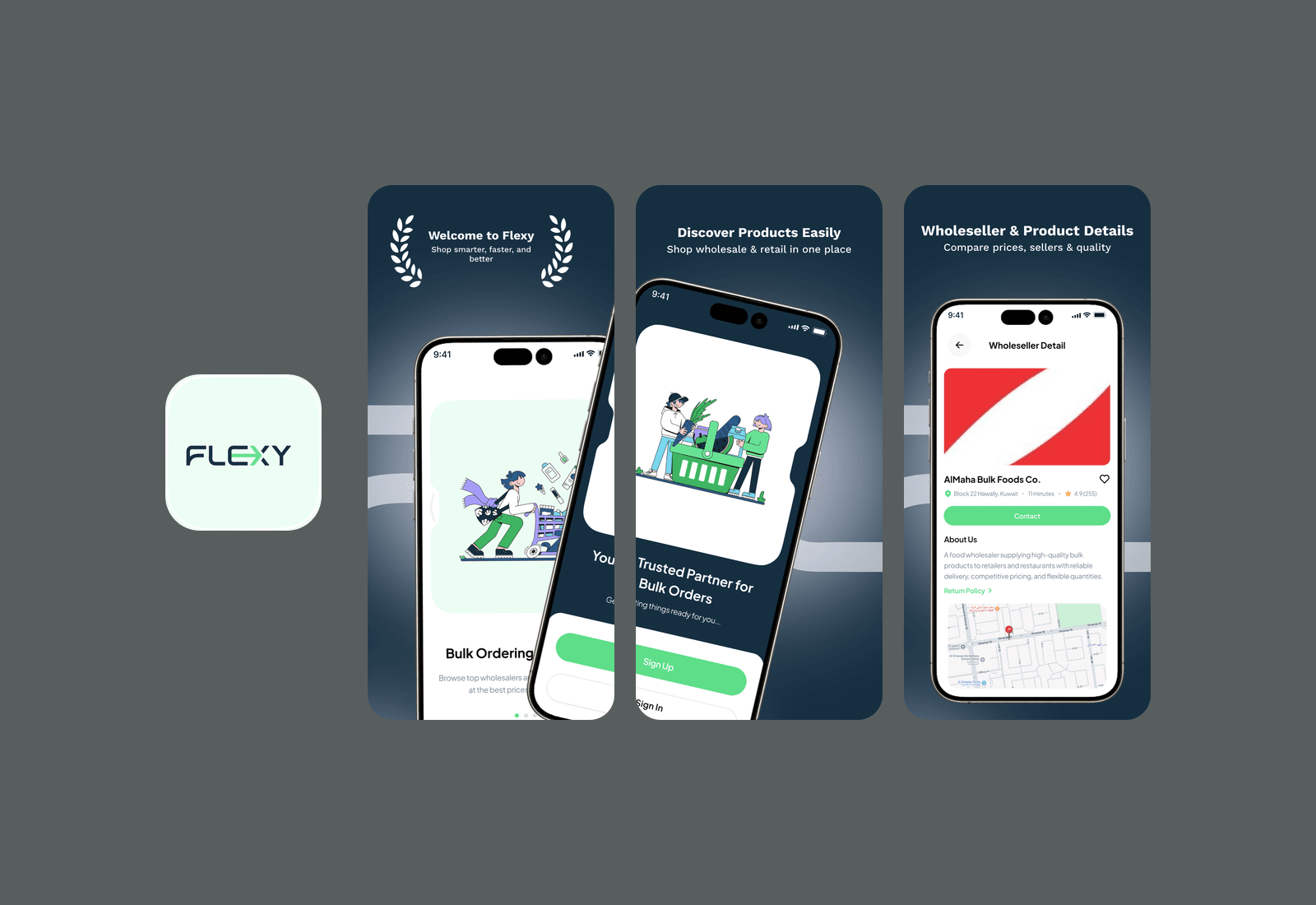
You get a published Play Store listing, a signing setup you control, staged release tracks configured, and a documented build so the next version does not depend on us being available.
Post-launch we watch the first crash clusters and ANR reports, because Android surfaces problems in production that no test device predicts. Fixing those is part of the stabilization period, not a change request.
Frequently Asked Questions
Which Android versions will the app support?
We set the minimum version from your actual audience rather than a default. Supporting older releases widens reach but costs testing effort and rules out some newer APIs; we show you the trade-off with real numbers for your market before the build starts.
Can you take over an existing Android app?
Usually yes. We start with a short audit of the codebase, the signing setup and the Play Console state, then tell you plainly whether it is worth continuing or rebuilding. We would rather say rebuild early than bill you to maintain something that cannot be maintained.
How long does a typical project take?
Most engagements ship a first usable release in 8–14 weeks depending on scope; larger platforms are delivered in phased milestones so you see working software from the first month.
What do I need to provide before we start?
A clear picture of your business goal and whoever owns the decision. Existing branding, content or systems help, but discovery and scoping are part of every project.
How much will it cost?
After a short discovery call we provide a fixed, itemized proposal — scope, timeline and cost — before any commitment.
Do you offer ongoing support?
Yes. Every launch includes a stabilization period, and most clients continue with a monthly support and improvement retainer.
Other services we deliver
Most engagements combine more than one of these. Every service below is delivered by the same team, under one plan.
Web & Mobile Apps
End-to-end engineering of secure, high-performance web platforms and native-quality iOS and Android apps — from prototype to app-store launch and beyond.
iOS App Development
iPhone and iPad apps built to Apple's guidelines, submitted and shepherded through App Store review by the team that built them.
Flutter App Development
One codebase on both stores — the right economics for most business apps, and we say so when it is not.
02Contact us


