

Flutter AppDevelopment
One codebase, two stores, one team. For most business apps cross-platform is the right economics — and Flutter is how we deliver it without the compromises that made people distrust the approach a decade ago.
Two platforms, without paying for two builds
Most business apps — booking, commerce, catalogues, accounts, internal tools — do not need platform-specific engineering. They need to be fast, consistent, and on both stores. Flutter renders its own UI, so what you approve in design is what ships on both iOS and Android.
The saving is not only the first build. One codebase means one bug fix, one feature, one regression test cycle — so the second year of ownership costs a fraction of maintaining two native apps.
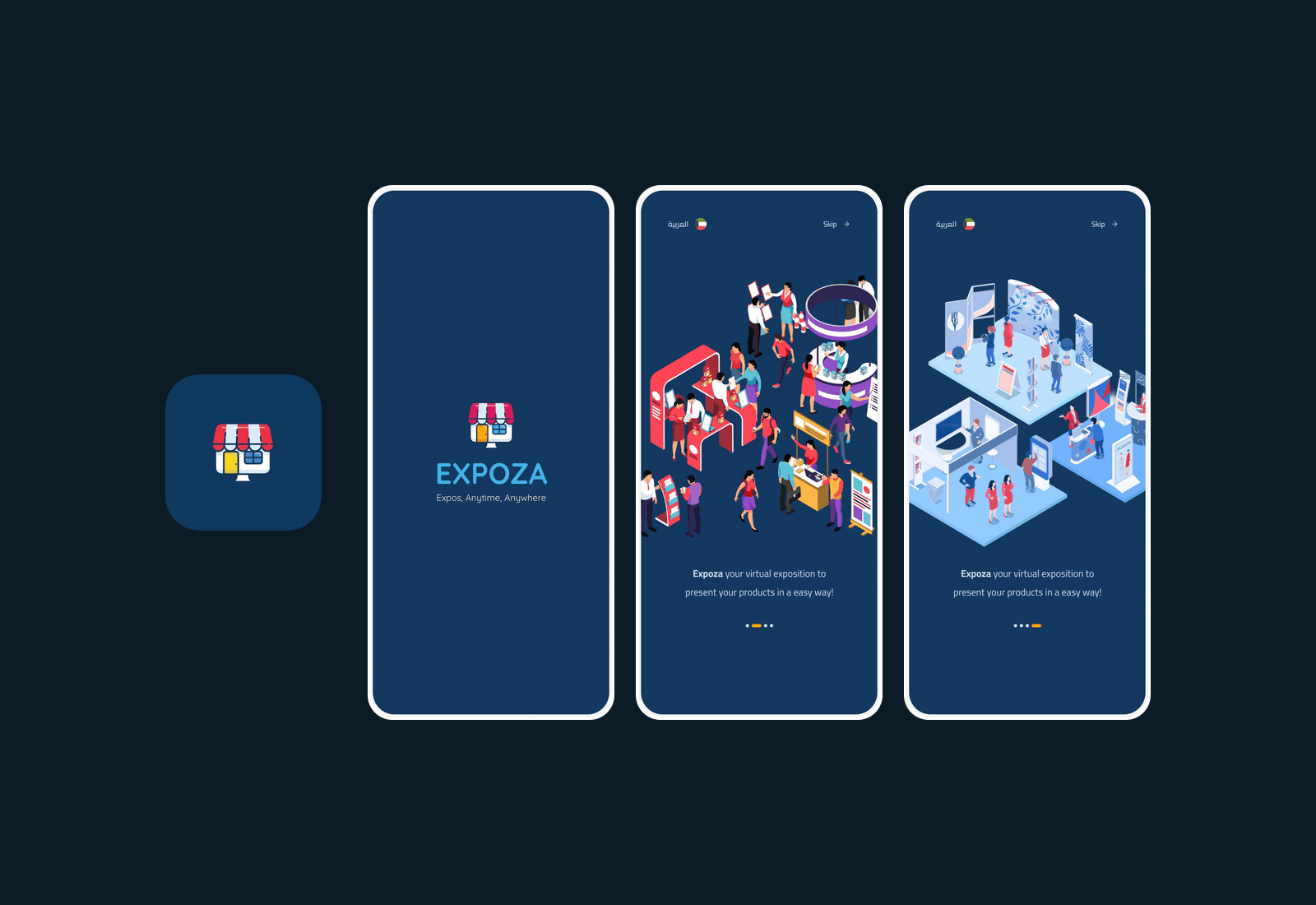
How we build a Flutter app
The same phases as a native build. The difference is that design, build and release happen once and land on both stores.

Design and interactive prototype

Build and test on both platforms

App Store & Play release
We will tell you when Flutter is the wrong answer.
Cross-platform is not universal. Apps built around heavy real-time graphics, deep camera or sensor pipelines, large platform-specific SDKs, or system-level integration are better served natively — and we say so at scoping rather than halfway through a build.
When Flutter does fit, we still respect each platform: navigation, typography and gestures follow the conventions of the device the app is running on, and Arabic RTL layouts are part of the build from the start.
What Flutter development covers
A single codebase taken all the way to two published listings.
- Flutter & Dart application development
- Shared iOS and Android codebase
- Platform-aware navigation & patterns
- Arabic / RTL and localization
- REST & Firebase backend integration
- Push notifications & deep links
- Automated build and release pipeline
- Submission to both stores
One team, one codebase, two live store listings
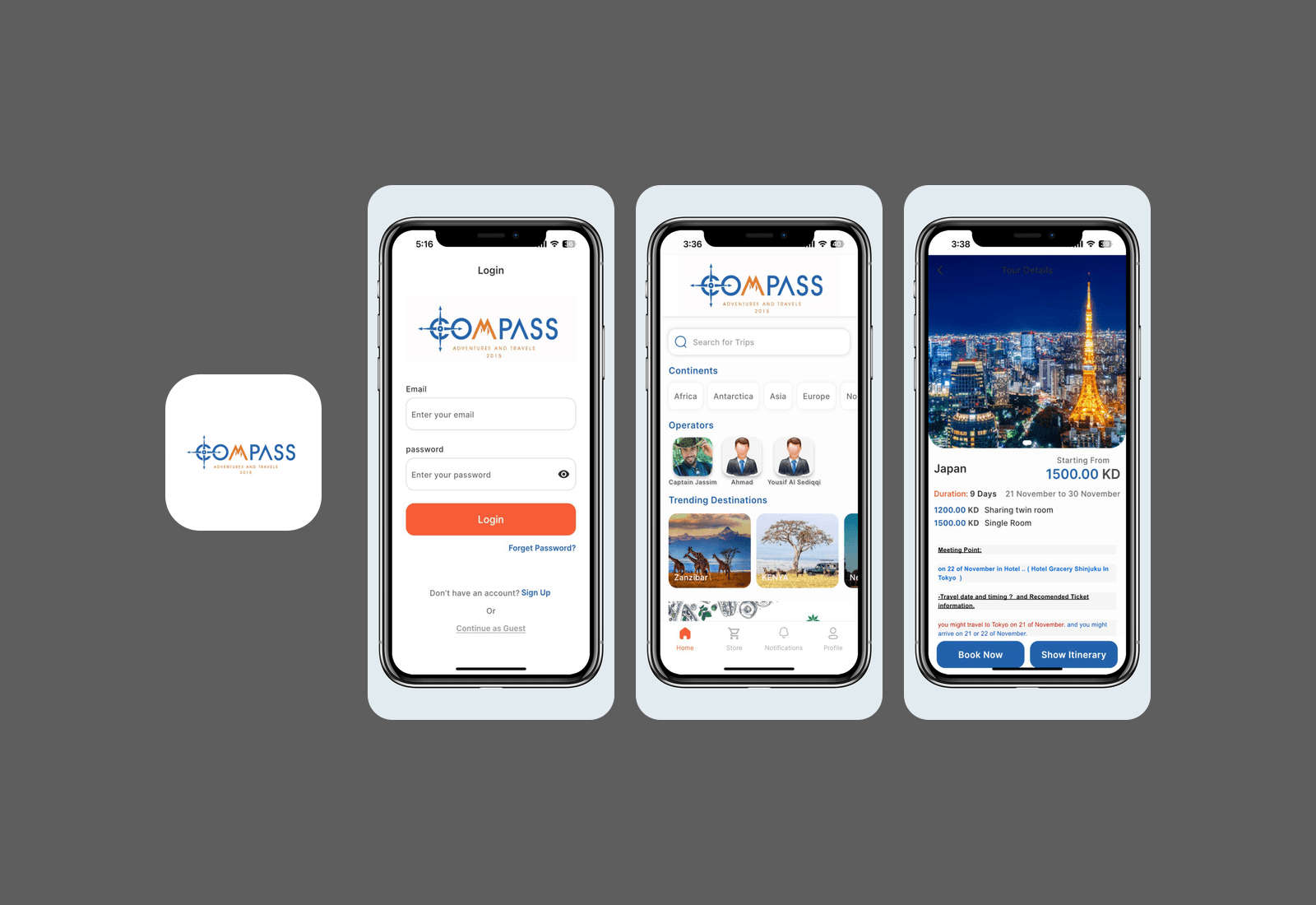
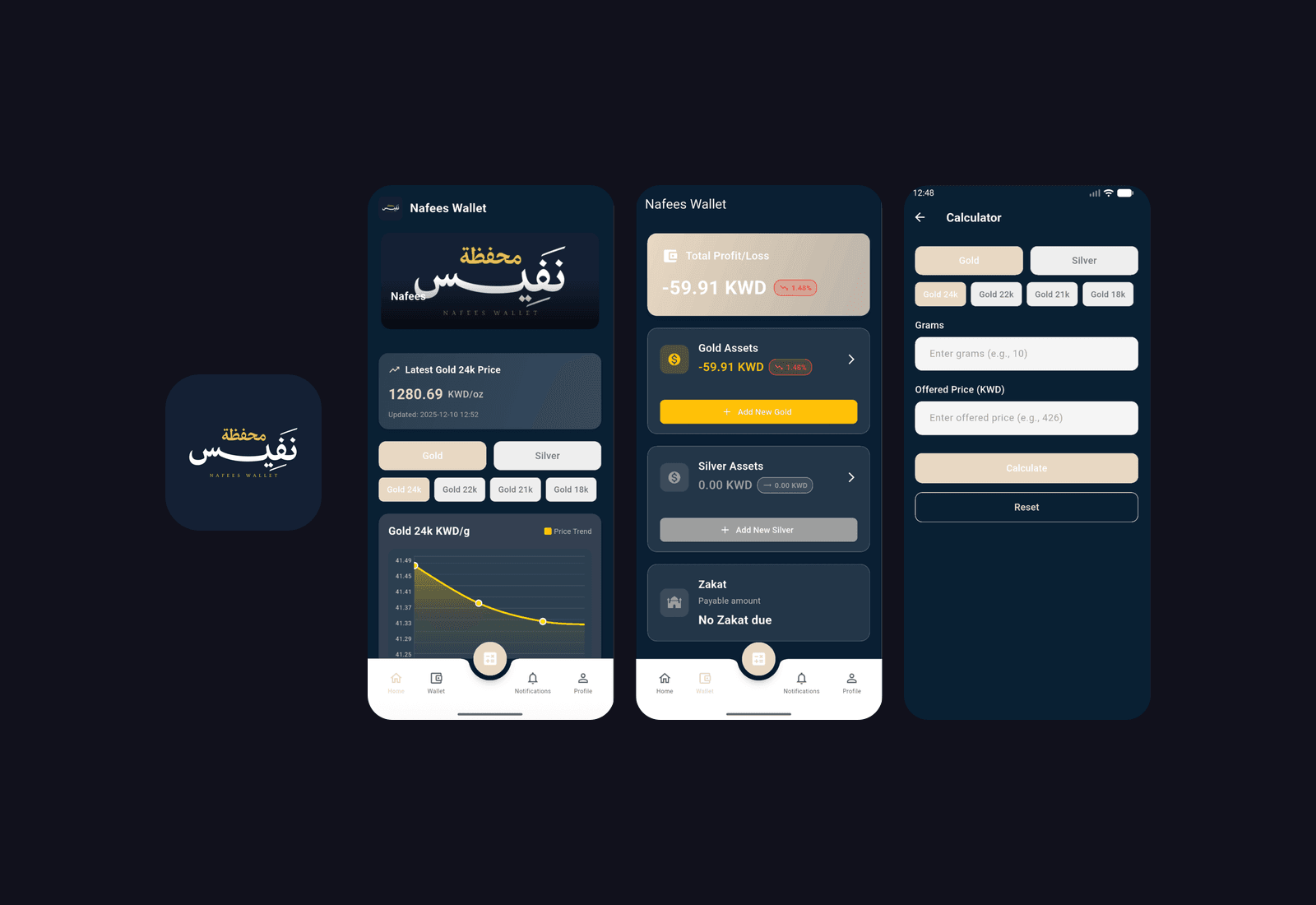
You end up with an app on the App Store and Google Play, a build pipeline that produces both from one commit, and a codebase your own developers can read — Dart is deliberately unexotic.
Because there is one codebase, post-launch work is cheaper and faster: a fix ships to both platforms in the same release rather than being scheduled twice.
Frequently Asked Questions
Will a Flutter app feel like a real native app?
For the kind of apps it suits, yes — Flutter draws its own interface at native frame rates, so scrolling and animation are smooth and you are not fighting a web view. What matters more is discipline: following each platform's navigation and gesture conventions rather than shipping one identical layout to both.
How much cheaper is it than building twice?
Meaningfully, but the honest answer is that it depends on how much of your app is shared logic versus platform-specific work. We scope both routes for you and show the difference in your project before you decide — we do not quote a generic percentage.
How long does a typical project take?
Most engagements ship a first usable release in 8–14 weeks depending on scope; larger platforms are delivered in phased milestones so you see working software from the first month.
What do I need to provide before we start?
A clear picture of your business goal and whoever owns the decision. Existing branding, content or systems help, but discovery and scoping are part of every project.
How much will it cost?
After a short discovery call we provide a fixed, itemized proposal — scope, timeline and cost — before any commitment.
Do you offer ongoing support?
Yes. Every launch includes a stabilization period, and most clients continue with a monthly support and improvement retainer.
Other services we deliver
Most engagements combine more than one of these. Every service below is delivered by the same team, under one plan.
Web & Mobile Apps
End-to-end engineering of secure, high-performance web platforms and native-quality iOS and Android apps — from prototype to app-store launch and beyond.
iOS App Development
iPhone and iPad apps built to Apple's guidelines, submitted and shepherded through App Store review by the team that built them.
Android App Development
Kotlin and cross-platform Android builds tested across real device classes, released and kept compliant through the Play Console.
02Contact us


